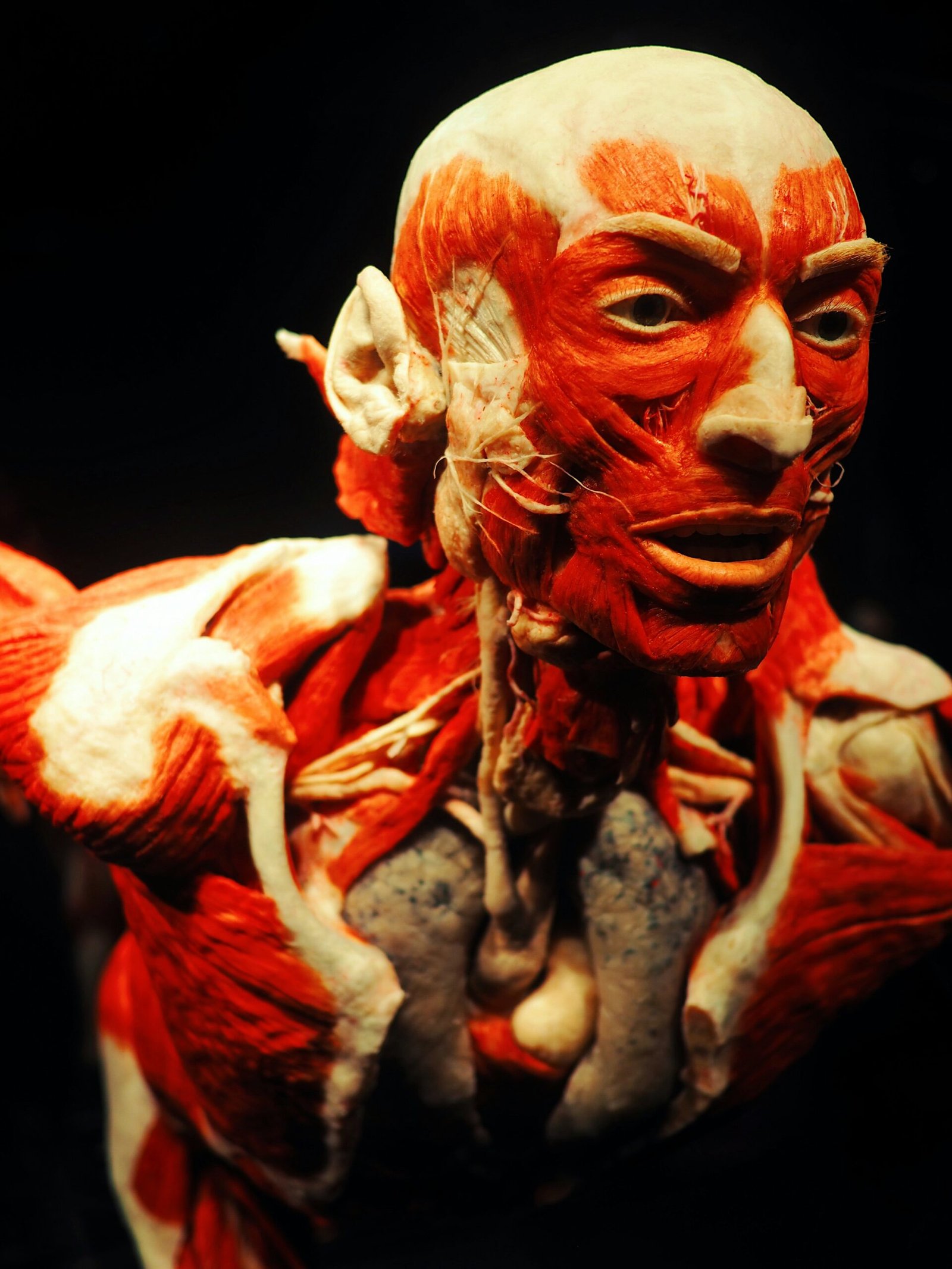
Introduction to Human Body Systems
The human body is a complex, organized structure composed of various systems that work in harmony to maintain the life and health of an individual. A body system can be defined as a collection of organs and tissues that collaborate to perform specific functions essential for survival. These systems are instrumental in regulating physiological processes, responding to internal and external stimuli, and maintaining homeostasis—the equilibrium within the body that ensures optimal functioning.
Understanding human body systems is crucial for a myriad of reasons. First and foremost, it allows us to grasp how different organs and systems interact and influence one another, an aspect that is fundamental in both health and disease. Each system plays a unique role, and the interdependence among them exemplifies the intricate design of the human organism. For instance, the circulatory system is responsible for the distribution of nutrients and oxygen, while the respiratory system permits gas exchange, demonstrating how they must function in coordination to support life.
Additionally, a comprehensive understanding of body systems enhances our ability to analyze various health conditions and their underlying mechanisms. As we examine each system in detail, we will appreciate their contributions to overall health and wellness. Moreover, this knowledge is particularly vital in the context of understanding diseases, as disruptions in one system can have cascading effects on others, leading to a wide array of health challenges.
Furthermore, studying human body systems provides essential insights for advancements in medical science and healthcare practices. By identifying how these systems operate under normal and pathological conditions, researchers and healthcare professionals can develop effective diagnostic methods, treatment plans, and preventive measures.
The Circulatory System: The Body’s Transportation Network
The circulatory system, a vast network of the body, is fundamentally responsible for the transportation of essential substances to and from cells. Central to this system is the heart, an organ that acts as a powerful pump to maintain blood flow throughout the body. The heart comprises four chambers: the right atrium and ventricle, which pump deoxygenated blood to the lungs for oxygenation, and the left atrium and ventricle, which distribute oxygen-rich blood to the rest of the body. The efficient functioning of the heart is crucial for sustaining life, as it ensures that cells receive the nutrients and oxygen necessary for their metabolic processes.
Blood vessels, including arteries, veins, and capillaries, comprise the conduits through which blood circulates. Arteries carry oxygenated blood away from the heart, while veins return deoxygenated blood back to the heart. Capillaries, the smallest blood vessels, facilitate the exchange of oxygen, carbon dioxide, nutrients, and waste products between blood and tissues. This intricate exchange process is vital for maintaining homeostasis within the body, ensuring that cells operate effectively and remain in a stable environment.
Moreover, the circulatory system also plays a significant role in regulating body temperature and maintaining pH levels. Blood flow can be adjusted by dilating or constricting blood vessels, allowing the body to modulate temperature in response to external conditions. Additionally, the circulatory system helps transport hormones and immune cells, which are essential for overall health and well-being. Through these various functions, the circulatory system serves as the body’s transportation network, ensuring that every cell receives the required resources while simultaneously removing harmful byproducts.
The Respiratory System: Breathing Life Into the Body
The respiratory system is a complex network of organs and structures that plays a vital role in maintaining the body’s metabolic functions by facilitating gas exchange. This system includes key anatomical structures such as the lungs, trachea, and alveoli, each working harmoniously to ensure the delivery of oxygen to the bloodstream and the removal of carbon dioxide from the body.
Beginning with the trachea, also known as the windpipe, air enters through the nose or mouth and travels down the trachea. The trachea bifurcates into two primary bronchi, which lead into each lung. These bronchi further branch into smaller bronchioles, culminating in microscopic air sacs called alveoli. It is within the alveoli that the critical process of gas exchange occurs. The thin walls of the alveoli provide a large surface area for oxygen to diffuse into the blood while allowing carbon dioxide to move from the blood into the alveolar air, where it can be exhaled.
The efficiency of the respiratory system directly influences overall energy production in the body. Through the process of cellular respiration, oxygen obtained from the lungs is utilized by cells to convert glucose into adenosine triphosphate (ATP), the energy currency of the cell. This process not only fuels vital cellular activities but also highlights the importance of optimal lung function for health and well-being. In addition to oxygen delivery, the respiratory system plays a role in regulating blood pH and temperature, further underscoring its importance in maintaining homeostasis.
In essence, the respiratory system is integral to sustaining life, allowing the body to harness energy from nutrients while expelling waste gases. Understanding the various components and processes involved in this system enhances appreciation for its function and significance in human physiology.
The Digestive System: Breaking Down Food for Energy
The digestive system is a complex network of organs and glands responsible for processing food, breaking it down into smaller molecules, and facilitating the absorption of nutrients into the bloodstream. This system plays a crucial role in converting the food we consume into energy necessary for bodily functions. The major organs involved include the mouth, esophagus, stomach, small intestine, large intestine, liver, pancreas, and gallbladder.
The digestive process begins in the mouth, where enzymes in saliva initiate the breakdown of carbohydrates. The food, now in the form of a bolus, travels down the esophagus and enters the stomach. The stomach acts as a mixer and reservoir, where gastric juices containing strong acids and enzymes further break down food particles, primarily proteins. After several hours, the partially digested food, known as chyme, moves into the small intestine.
In the small intestine, the chyme is exposed to bile produced by the liver and pancreatic juices containing enzymes that continue the digestive process. The small intestine is primarily responsible for nutrient absorption. Its lining is equipped with villi, tiny hair-like structures that enhance the absorption of amino acids, fatty acids, sugars, vitamins, and minerals into the bloodstream.
Once the nutrients are absorbed, the remaining waste material moves into the large intestine, where water is reabsorbed, and the leftover matter is prepared for elimination. The liver, apart from producing bile, also processes nutrients, detoxifies harmful substances, and regulates blood sugar levels, contributing significantly to metabolic health. The pancreas produces digestive enzymes and hormones such as insulin, crucial for energy regulation.
In conclusion, the digestive system is essential not only for breaking down food but also for maintaining energy levels and overall metabolic health. Proper functioning of this system ensures that the body receives necessary nutrients to thrive.
The Nervous System: The Control Center of the Body
The nervous system serves as a complex control center, orchestrating a multitude of functions that are essential for sustaining life and maintaining homeostasis. It is primarily divided into two main parts: the central nervous system (CNS) and the peripheral nervous system (PNS). The CNS, comprising the brain and spinal cord, is the main hub for processing information and integrating sensory input. In contrast, the PNS connects the CNS to the rest of the body, allowing communication between the brain, spinal cord, and peripheral organs through a network of nerves.
At the cellular level, neurons play a critical role in the functioning of the nervous system. These specialized cells are responsible for transmitting electrical signals throughout the body. Neurons communicate with each other and with other types of cells via neurotransmitters, which are chemical messengers that facilitate signal transmission across synapses. This communication is vital not only for the processing of sensory information but also for executing voluntary movements, such as grasping an object, as well as involuntary actions, such as reflexes.
The nervous system also contributes significantly to homeostasis—the body’s ability to maintain a stable internal environment despite external changes. This is achieved through intricate feedback mechanisms that modify the functioning of various systems in response to sensory input. For instance, when the body temperature deviates from its normal range, the nervous system detects this change and initiates appropriate physiological responses, such as sweating or shivering, to restore equilibrium.
Overall, the nervous system is integral to governing bodily functions, ensuring efficient communication between different systems, and adapting to internal and external stimuli. Its influence on both voluntary and involuntary actions underscores its importance in preserving optimal health and function.
The Musculoskeletal System: Support and Movement
The musculoskeletal system is a complex network of bones, muscles, and joints that form the framework of the human body, serving crucial functions that are essential for daily activities. Bones provide the structural support necessary to maintain posture, protect vital organs, and enable movement. There are 206 bones in the adult human body, each serving specific roles—from the strong femur in the thigh, supporting the weight of the body, to the delicate bones in the hands, facilitating intricate movements.
Muscles, which account for a significant portion of body mass, work in conjunction with the skeletal system to produce movement. They are classified into three types: skeletal, smooth, and cardiac muscles. Skeletal muscles, under voluntary control, are primarily responsible for movement by contracting and pulling on bones. This contraction occurs when muscle fibers receive signals from the nervous system, allowing for a wide range of motions, from running to subtle finger movements.
Joints are the intersections where bones meet, allowing for varying degrees of flexibility and mobility. They can be classified into several types—such as hinge joints like the knees, ball-and-socket joints like the hips, and pivot joints like those in the neck—each offering different ranges of motion. The cartilage found in joints acts as a cushion, reducing friction and absorbing shock during movement, which is vital for joint health.
Furthermore, the musculoskeletal system plays a significant role in hematopoiesis, the process of blood cell formation, which occurs in the bone marrow found within certain bones. This intricate system not only supports bodily functions but also protects organs such as the heart, lungs, and brain, ensuring the body’s overall integrity and functionality. Understanding the importance of the musculoskeletal system underscores its vital contributions to human health and movement.
The Immune System: Defending Against Disease
The immune system serves as a formidable defense mechanism within the human body, playing a vital role in protecting against various pathogens, including bacteria, viruses, fungi, and parasites. It is not a singular entity but rather a complex network that comprises a variety of cells, tissues, and organs working together to identify and eliminate threats. Central to the immune system are white blood cells, or leukocytes, which are responsible for detecting and responding to invaders. These cells can be classified into several types, each with specific functions. For instance, lymphocytes, including B cells and T cells, are essential for adaptive immunity, allowing the body to remember past infections and respond more robustly upon re-exposure.
Antibodies, produced by B cells, are proteins that specifically target antigens present on pathogens. Each antibody can bind to a particular antigen, neutralizing its harmful effects or marking it for destruction by other immune cells. Moreover, the lymphatic system plays an integral role in the immune response. It comprises a network of vessels and lymph nodes that help transport immune cells throughout the body and filter out harmful substances.
Vaccinations are a crucial component of the immune system’s effectiveness. They stimulate the production of antibodies without causing disease and prepare the immune system for potential encounters with the actual pathogens. This is a practical application of the principle of herd immunity, which occurs when a significant portion of a population becomes immune, thereby providing indirect protection to those who are unvaccinated.
The immune system’s intricate mechanisms demonstrate its importance in maintaining overall health by constantly surveilling for threats and responding promptly. Understanding its functions not only highlights how the body defends itself but also underscores the significance of preventive measures such as vaccinations in fostering long-term immunity.
The Endocrine System: Regulating Body Functions
The endocrine system plays a vital role in maintaining homeostasis within the human body through the release of hormones. These chemical messengers are secreted by various glands, which initiate and regulate a multitude of physiological processes, including metabolism, growth, and mood. Each gland produces specific hormones that target particular cells and organs, thus profoundly influencing bodily functions.
One of the principal components of the endocrine system is the thyroid gland, which is situated in the neck and is responsible for regulating metabolism through the secretion of thyroid hormones like thyroxine. These hormones increase the metabolic rate, affecting how the body uses energy and influences weight, temperature regulation, and overall metabolic processes. Imbalances in thyroid hormone levels can lead to conditions such as hypothyroidism or hyperthyroidism, demonstrating the gland’s significance in managing energy levels and general well-being.
Another critical structure within this system is the adrenal glands, located atop the kidneys. The adrenal glands produce a variety of hormones, including cortisol, which plays an essential role in stress response, metabolism, and immune system regulation. The release of cortisol and other adrenal hormones follows a feedback loop mechanism in which the body monitors and adjusts hormone levels based on current needs and stressors, ensuring an appropriate physiological response.
The pancreas also has an essential role in the endocrine system by regulating blood sugar levels through insulin and glucagon. These hormones work in conjunction to maintain glucose homeostasis, showcasing another example of how feedback loops function within the endocrine system. The precise and coordinated actions of these various glands and hormones underscore the intricate nature of the endocrine system’s regulatory capabilities, ultimately contributing to the overall health of the individual.
The Integumentary System: Protecting the Body’s Exterior
The integumentary system is a vital component of human biology that serves as the body’s first line of defense against environmental hazards. Comprising the skin, hair, and nails, this system plays a crucial role in safeguarding the body from various external threats, including pathogens, chemicals, and physical injuries. The skin acts as a barrier, preventing harmful substances from penetrating into deeper tissues and organs, thus maintaining overall bodily integrity.
In addition to its protective functions, the integumentary system is integral to temperature regulation. Through processes such as sweating and the dilation or constriction of blood vessels, the skin helps to regulate body temperature, ensuring that it remains within a healthy range. This capability is particularly critical in extreme weather conditions or during physical activities, where maintaining optimal body temperature is crucial for health and performance.
Another significant function of the integumentary system is sensory perception. The skin is embedded with a variety of receptors that detect stimuli such as pressure, pain, and temperature. This sensory information is essential for the body to respond to environmental changes and potential threats effectively. The interplay of these sensory functions not only enhances survival but also enriches human experience by allowing individuals to interact with their surroundings meaningfully.
Skin health is paramount in maintaining the overall efficiency of the integumentary system. Proper care, hydration, and protection from harmful UV radiation contribute significantly to skin vitality and function. Neglecting skin care can lead to various issues, including infections, inflammatory conditions, and premature aging. Therefore, understanding and promoting the health of the integumentary system is essential for achieving and maintaining holistic well-being.
Here’s a breakdown of the human body systems in medical terms:
1. Nervous System
- Cerebrum: The largest part of the brain responsible for higher brain functions like thought and action.
- Cerebellum: Coordinates movement and balance.
- Medulla Oblongata: Controls involuntary functions such as breathing and heart rate.
- Neurons: The basic functional units of the nervous system.
- Synapse: The junction between two neurons.
- Spinal Cord: Transmits signals between the brain and the rest of the body.
- Peripheral Nervous System (PNS): Nerves outside the brain and spinal cord, divided into the somatic (voluntary) and autonomic (involuntary) systems.
2. Circulatory (Cardiovascular) System
- Myocardium: The muscular tissue of the heart.
- Aorta: The largest artery, which carries oxygenated blood from the heart to the body.
- Vena Cava: The large veins (superior and inferior) that carry deoxygenated blood back to the heart.
- Capillaries: Microscopic blood vessels where oxygen and nutrient exchange occurs.
- Hemoglobin: The protein in red blood cells responsible for carrying oxygen.
- Systole/Diastole: Phases of the cardiac cycle (contraction and relaxation of the heart).
- Coronary Arteries: Supply blood to the heart muscle itself.
3. Respiratory System
- Alveoli: Small air sacs in the lungs where gas exchange occurs.
- Bronchi: The main passages that direct air into the lungs.
- Diaphragm: The muscle that aids in breathing by contracting and relaxing to change lung pressure.
- Pleura: The membrane surrounding the lungs.
- Epiglottis: A flap of tissue that covers the trachea during swallowing to prevent food from entering the airways.
4. Digestive System
- Esophagus: The tube that carries food from the throat (pharynx) to the stomach.
- Gastric Juices: Acidic secretions in the stomach that aid in digestion.
- Duodenum: The first part of the small intestine, where most chemical digestion occurs.
- Villi: Small projections in the small intestine that increase the surface area for absorption.
- Hepatic Portal Vein: Carries nutrient-rich blood from the gastrointestinal tract to the liver.
- Peristalsis: The wave-like contractions of smooth muscle that move food through the digestive tract.
- Bile: A digestive fluid produced by the liver and stored in the gallbladder that helps digest fats.
5. Skeletal System
- Osteocytes: Mature bone cells.
- Periosteum: The dense layer of vascular connective tissue enveloping the bones.
- Cartilage: A flexible connective tissue found in joints, between bones, and in structures like the ear and nose.
- Synovial Fluid: Fluid found in joints that reduces friction between articular cartilage during movement.
- Ossification: The process of bone formation.
- Axial Skeleton: The central part of the skeleton, including the skull, spine, and rib cage.
- Appendicular Skeleton: The bones of the limbs and pelvis.
6. Muscular System
- Sarcoplasm: The cytoplasm of muscle fibers.
- Myofibrils: Thread-like structures that make up muscle fibers and are responsible for contraction.
- Tendons: Connect muscles to bones.
- Actin and Myosin: Proteins involved in muscle contraction.
- Smooth Muscle: Involuntary muscle found in organs like the stomach and intestines.
- Skeletal Muscle: Voluntary muscle attached to bones for movement.
- Cardiac Muscle: Involuntary muscle found only in the heart.
7. Endocrine System
- Pituitary Gland: The “master gland” that regulates other endocrine glands.
- Thyroid Gland: Produces hormones that regulate metabolism, such as thyroxine.
- Adrenal Glands: Produce hormones like adrenaline and cortisol, involved in the body’s stress response.
- Pancreas: Produces insulin and glucagon to regulate blood sugar levels.
- Hypothalamus: A part of the brain that controls the pituitary gland and maintains homeostasis.
- Parathyroid Glands: Regulate calcium levels in the blood.
8. Lymphatic (Immune) System
- Lymphocytes: White blood cells that play a key role in the immune response.
- Lymph Nodes: Small, bean-shaped structures that filter lymph and house immune cells.
- Spleen: Filters blood and helps the body fight infections.
- Thymus: Gland where T-cells (a type of lymphocyte) mature.
- Antibodies: Proteins produced by the immune system to neutralize pathogens.
- Macrophages: Cells that engulf and digest pathogens and cellular debris.
9. Urinary (Renal) System
- Nephron: The functional unit of the kidney responsible for filtering blood.
- Glomerulus: A cluster of capillaries in the nephron where filtration begins.
- Ureters: Tubes that carry urine from the kidneys to the bladder.
- Renal Cortex: The outer part of the kidney where filtration occurs.
- Renal Medulla: The inner part of the kidney that contains the structures responsible for water reabsorption.
- Urethra: The tube through which urine exits the body.
10. Reproductive System
- Oocytes: Immature eggs in the ovaries.
- Fallopian Tubes: Tubes that carry eggs from the ovaries to the uterus.
- Endometrium: The lining of the uterus that thickens during the menstrual cycle.
- Testes: Male reproductive organs that produce sperm and testosterone.
- Epididymis: A tube where sperm matures and is stored.
- Vas Deferens: The duct that transports sperm from the testes to the urethra.
11. Integumentary System
- Epidermis: The outermost layer of skin.
- Dermis: The thicker, inner layer of skin containing blood vessels, nerves, and hair follicles.
- Sebaceous Glands: Oil-producing glands in the skin.
- Melanocytes: Cells in the skin that produce melanin, the pigment that gives skin its color.
- Keratin: A protein that makes up the outer layer of skin, hair, and nails.
12. Immune System
- Antigens: Substances that the immune system identifies as foreign and attacks.
- T-Cells: A type of white blood cell that plays a central role in immune response.
- B-Cells: Produce antibodies that neutralize pathogens.
- Cytokines: Proteins that mediate and regulate immunity and inflammation.
- Phagocytes: Cells that engulf and destroy foreign particles, bacteria, and dying cells.
13. Exocrine System
- Exocrine Glands: Glands that release their products through ducts to the outside of the body.
- Salivary Glands: Glands that produce saliva to aid in digestion.
- Lacrimal Glands: Glands that produce tears.
- Sweat Glands: Glands that produce sweat to help regulate body temperature.
- Sebaceous Glands: Produce sebum, an oily substance that lubricates the skin and hair.
14. Sensory System
- Rods and Cones: Photoreceptors in the retina responsible for vision.
- Cochlea: A spiral-shaped structure in the inner ear responsible for hearing.
- Olfactory Receptors: Cells responsible for detecting odors.
- Taste Buds: Sensory organs on the tongue that detect taste.
- Meissner’s Corpuscles: Nerve endings in the skin responsible for detecting touch.
Conclusion
Understanding the major systems in the human body is crucial for recognizing how they function both independently and collectively. Each system, whether it be the circulatory, respiratory, digestive, or nervous system, plays a fundamental role in maintaining overall homeostasis. These body systems do not operate in isolation; rather, they are intricately interconnected, relying on one another to facilitate essential biological processes. For instance, the respiratory system supplies oxygen necessary for cellular respiration, which, in turn, supports the circulatory system in transporting oxygen-rich blood throughout the body.
Each body system’s health has profound ramifications on others. A disruption in one system can lead to cascading effects on multiple systems, highlighting the importance of a holistic understanding of bodily functions. For example, poor nutritional habits can negatively impact the digestive system, leading to decreased nutrient absorption, which affects the circulatory system by depriving it of vital nutrients. This interconnectedness underscores the significance of making informed health choices that enhance the functionality and efficiency of the entire body.
Furthermore, advancements in medical science continue to reveal how interdependence among these systems can be leveraged to improve treatment outcomes and foster wellness. Recognizing how lifestyle choices—such as diet, exercise, and stress management—impact various body systems can empower individuals to make informed decisions. A coordinated approach that considers the relationship between physical activity and systemic health can lead to better overall outcomes and enhanced quality of life. Ultimately, a comprehensive understanding of the interconnectedness of body systems not only enriches personal health literacy but also serves to guide preventative health strategies and interventions.